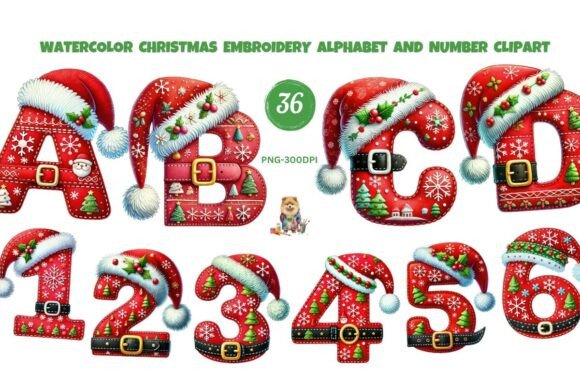
Review: Christmas Embroidery Alphabet Clipart for Craft Fairs
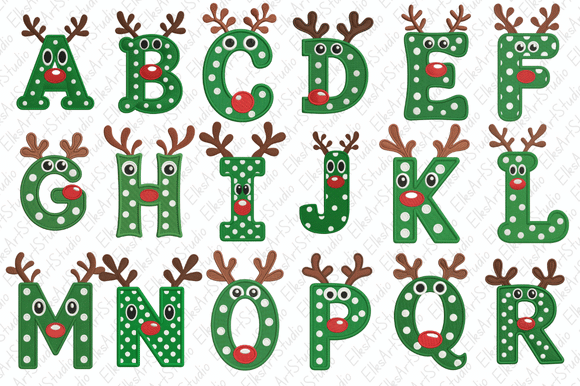
As an embroidery designer who has spent countless weekends behind a booth table, I know that the difference between a slow day and a sold-out inventory often comes down to visual impact. When I first pulled up the Christmas Embroidery Alphabet Clipart, my immediate thought was not just about aesthetics, but about utility. This collection of festive letters and numbers is categorized under Illustrations and Graphics, but for us makers, it represents a toolkit for rapid product creation. The design feels distinctly festive yet versatile, striking a balance between playful holiday charm and clean, readable typography that translates well from screen to stitch.
First Impressions and Visual Appeal
The initial look of this asset suggests a design that is bold enough to be noticed from three feet away—a critical factor for any craft fair product. It does not lean too heavily into intricate, fragile details that might get lost in translation. Instead, it offers a robust structure that feels modern and decorative without being overly rustic or excessively minimal. For a handmade shop owner, this means the design can adapt to various brand identities. Whether you are aiming for a cozy farmhouse vibe or a sleek, contemporary boutique feel, these letters provide a solid foundation. The clarity of the shapes ensures that even at a glance, a customer walking past your booth will recognize the holiday theme immediately.
Product Applications for the Holiday Season
The true test of any digital embroidery file is its versatility across different substrates. I evaluated how this alphabet would perform on standard craft fair staples. For tote bag designs, the larger letters work exceptionally well as a focal point. A simple monogram or a short word like "JOY" or "NOEL" stitched in contrasting thread colors creates an instant bestseller. Similarly, for apron embroidery, the durability of the design shape holds up against the thicker canvas or cotton blends typically used for kitchen wear.
Tea towel embroidery presents a unique challenge due to the fabric texture, but these graphics appear sturdy enough to handle the weave of waffle or flour sack towels. The design does not seem so dense that it would pucker lightweight linen, nor so sparse that it would look unfinished. For embroidered patches, the clean lines allow for crisp satin stitches or tight fill stitches, making them ideal for iron-on additions to denim jackets or holiday stockings. Even on curved surfaces like caps, the simplified nature of the clipart reduces the risk of distortion, provided you use the correct stabilizer.
Production Practicality and Batch Selling
From a business perspective, time is money. Preparing for a weekend market requires batch production efficiency. This Christmas Embroidery Alphabet Clipart shines here because it is designed for repeatability. Unlike complex scenic illustrations that require long run times and frequent thread changes, alphabet sets allow for streamlined workflow. You can set up multiple hoops with the same design, changing only the letter or color scheme. This consistency helps in creating a cohesive booth display strength, where products look like part of a curated collection rather than random items.
For Etsy sellers and digital sellers, these assets are invaluable for creating printable mockups. High-quality graphics allow you to showcase potential finished products before you even stitch a single thread. This reduces waste and helps in testing which color combinations resonate most with your audience. When listing small shop products online, clear, high-resolution images derived from these graphics can significantly boost buyer engagement by showing exactly how the design scales on different items.
Careful-Use Notes and Technical Considerations
While the design is robust, there are practical considerations every embroidery business owner must address. First, always check the stitch density. If the letters have thick fills, they may become stiff on delicate fabrics. Conversely, if the details are too fine, they might lose clarity on textured towels or dark fabric where thread contrast is lower. Tiny details in serif fonts or decorative flourishes can sometimes cause thread breaks or nesting if the needle size is not appropriate.
Curved cap surfaces require careful hooping and possibly a stronger cut-away stabilizer to prevent the design from pulling or distorting over time. For dark fabrics, ensure you have a sufficient range of thread colors in your palette to maintain visibility. A red design on a black shirt, for example, may vanish unless you use a lighter shade or add a white underlay. Always remember that what looks perfect on a screen as a vector graphic may behave differently as a machine embroidery design once tension and fabric stretch are introduced.
Designer Tips for Best Results
Before committing to full production, follow these steps to ensure quality control. First, test the design on scrap fabric that matches your final product material. This allows you to check thread contrast and adjust tension settings. Review the spacing between letters if you are combining them into words; tight kerning can cause threads to merge, while loose spacing may look disjointed. Confirm the hoop size required for the largest letter to ensure it fits your machine’s capacity.
Inspect the stitch density in the preview software. If it seems too high for your chosen fabric, consider using a lighter weight stabilizer or adjusting the pull compensation. Create at least one real mockup—a physical sample—to photograph for your listings. Compare how the design looks on different fabric colors to determine your best-selling combinations. Finally, and most importantly, confirm commercial licensing terms. Since this is a digital embroidery file intended for commercial embroidery, ensure you understand the rights regarding selling the finished product versus redistributing the design itself.
Final Verdict for Craft Entrepreneurs
The Christmas Embroidery Alphabet Clipart is a strong addition to any seasonal design library. It bridges the gap between cute and professional, offering enough flexibility for various handmade products while maintaining the clarity needed for quick recognition at busy craft fairs. By focusing on practical application—such as tote bags, patches, and home decor—you can maximize the return on this investment. Remember, the goal is not just to sell a stitched item, but to sell the feeling of the season. These graphics, when executed with attention to thread choice and fabric quality, deliver that festive spirit effectively. For those looking to expand their holiday inventory with low-risk, high-reward items, this alphabet set is a reliable tool for creating memorable, sellable goods.