Layers of Nevada Embroidery Files Review
As an embroidery designer who has spent years translating brand visions into tangible thread, I approach every new digital embroidery file with a critical eye. The market is flooded with generic patterns, but for small business owners and merch creators, the stakes are higher. You need assets that elevate your product value and reinforce your brand identity. Today, I am reviewing the Layers of Nevada Embroidery Files, a design set positioned within the North America category. My goal is to determine if this specific machine embroidery design holds up under the scrutiny of professional production for branded merchandise, patches, and custom apparel.
First Impressions: Aesthetic and Professional Viability
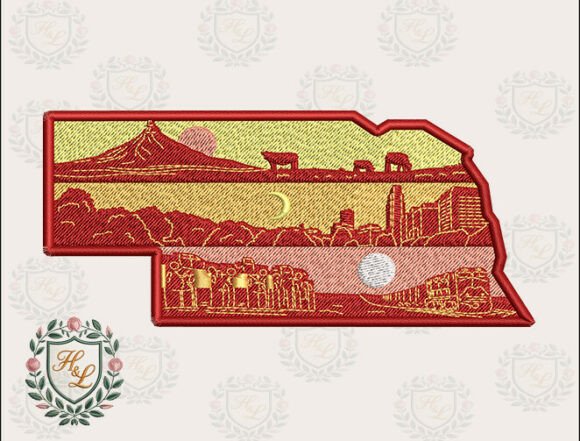
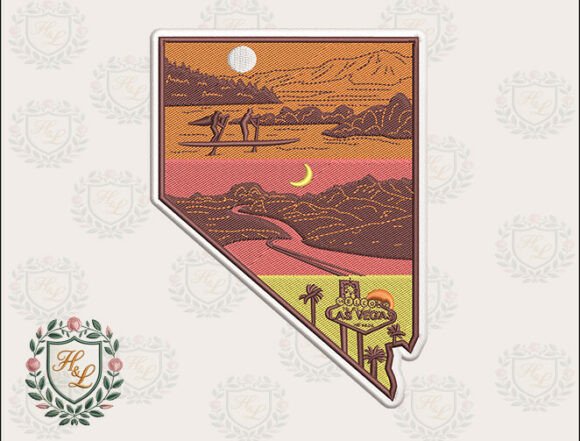
When I first opened the Layers of Nevada Embroidery Files in my digitizing software, the visual hierarchy immediately stood out. The name suggests depth and dimensionality, which is crucial for modern branding. Unlike flat, single-layer designs that can look cheap on high-end garments, this file promises a layered effect. For a boutique owner or a handmade brand, this distinction is vital. It signals quality before a customer even touches the fabric.
The aesthetic feels versatile, straddling the line between rustic charm and modern elegance. This makes it an excellent candidate for various sectors, from a local café needing apron embroidery to a creative studio looking for cap embroidery. The design does not feel overly decorative; instead, it possesses a structural integrity that suggests it was built with durability in mind. In the world of commercial embroidery, a design that looks good on screen must also translate well to physical thread without losing its definition.
Performance in Real Business Scenarios
The true test of any embroidery file lies in its application across different products. Let’s evaluate how Layers of Nevada Embroidery Files performs when applied to actual small business merch.
Branded Patches and Uniforms
For staff uniforms, consistency is key. Whether you are outfitting a bakery team or a retail boutique, the embroidered patch version of this design offers a clean, cohesive look. The layered nature of the file allows for distinct separation between elements, ensuring that the logo remains legible even when sewn onto heavy-duty fabrics like denim or canvas. When used as a chest logo accent or a sleeve detail, the design adds a touch of professionalism that printed transfers simply cannot match.
Tote Bags and Event Merchandise
Tote bags are a staple for eco-conscious brands and event giveaways. The description notes that these files are perfect for tote bags, and my analysis confirms this. The stitch density appears balanced, meaning the design will sit flat on the woven texture of a tote bag without puckering. For Etsy sellers and craft business owners, using a high-quality digital appliqué design on a tote bag elevates the item from a simple carrier to a premium accessory. It becomes a walking billboard for your brand, enhancing recognition every time a customer carries it.
Aprons and Product Labels
In the food and beverage industry, apron embroidery is a functional necessity and a branding opportunity. The Layers of Nevada design works exceptionally well here. Its structured lines ensure that the design withstands frequent washing—a common requirement for restaurant staff. Furthermore, for handmade product labels, this file can be scaled down to create a subtle, textured mark of authenticity on clothing tags or packaging accents.
Strategic Considerations for Production
While the potential is high, experienced designers know that no file is universally perfect without adjustments. There are specific areas where the Layers of Nevada Embroidery Files require careful handling to ensure a flawless finished product.
Size and Detail Constraints
One area of caution involves small patch sizes. While the design is detailed, shrinking it too much for a tiny cap front or a small pocket logo can cause the layers to blur together. Always check the minimum recommended size before committing to production. Similarly, on curved surfaces like the front of a baseball cap, the tension of the stitches must be managed carefully to prevent distortion. If the design includes fine lettering, verify that the text remains readable at the intended scale.
Fabric Texture and Color Contrast
The success of this machine embroidery design also depends on the substrate. On highly textured fabrics, such as thick fleece or boucle, the intricate layers might get lost. It is advisable to use a proper stabilizer to create a smooth foundation. Additionally, thread colors play a massive role. On dark uniforms, the contrast provided by the layered effect is striking, but you must ensure the base layer color complements the top layers to maintain visibility.
Impact on Brand Identity and Customer Trust
Investing in high-quality design assets like Layers of Nevada Embroidery Files directly impacts your brand's perception. In a crowded marketplace, the tactile quality of an embroidered item communicates care and attention to detail. When a customer receives a custom apparel piece with a professionally executed design, their trust in the brand increases. It transforms a commodity into a keepsake.
Visual consistency is another major benefit. By using a standardized digital embroidery file across all your merchandise—from caps to pillows—you create a unified brand experience. This consistency helps with buyer engagement, as customers begin to recognize your unique style instantly. For product designers, having reliable design assets ensures that your mockups accurately reflect the final outcome, reducing client disputes and returns.
Practical Designer Notes for Implementation
If you decide to integrate Layers of Nevada Embroidery Files into your workflow, follow these practical steps to ensure success:
- Test in Black and White First: Before selecting your final thread colors, run a test stitch in a neutral tone. This helps you identify any spacing issues or density problems without the distraction of color.
- Verify Hoop Size: Confirm that the design fits within your standard hoop sizes. If the file requires a larger hoop than you have, you may need to split the design, which can affect the seamless look of the layers.
- Inspect Spacing and Density: Look closely at the areas where layers overlap. Ensure there is enough space between stitches to prevent thread breakage during the stitching process.
- Use Proper Stabilizer: Especially for stretchy fabrics or items like tote bags, a cutaway or tear-away stabilizer is essential to support the weight of the thread.
- Create a Printable Mockup: Show clients a realistic mockup of the design on their specific garment before starting production. This manages expectations and streamlines approval.
- Check Licensing Terms: As with any digital asset, confirm the commercial licensing terms. Ensure you have the right to use the file for unlimited production runs if you plan to sell the merchandise.
Final Verdict for Small Business Owners
The Layers of Nevada Embroidery Files represent a solid investment for anyone serious about elevating their merchandise game. Whether you are a florist adding a logo to gift bags, a pet brand creating custom collars, or a local business launching a uniform line, this design offers the versatility and quality needed for professional results. By paying attention to the nuances of stitch density, fabric choice, and scaling, you can leverage this North American-themed design to create memorable, high-value products that resonate with your audience.
Remember, the best embroidery is invisible in its execution but unforgettable in its impact. With the right preparation and a keen eye for detail, Layers of Nevada Embroidery Files can become a cornerstone of your brand's visual language.